
The Juan Effect
How Latino audiences are shaping cultural winners in real time, from YouTube to the broader media economy

A YouTube challenge about staying inside a grocery store started as entertainment and turned into something people kept following. In April 2026, MrBeast released Last To Leave Grocery Store, and within a few days, one contestant became the focus of the video. Not because of how he played the game, but because of how people responded to him (Donaldson, 2026).
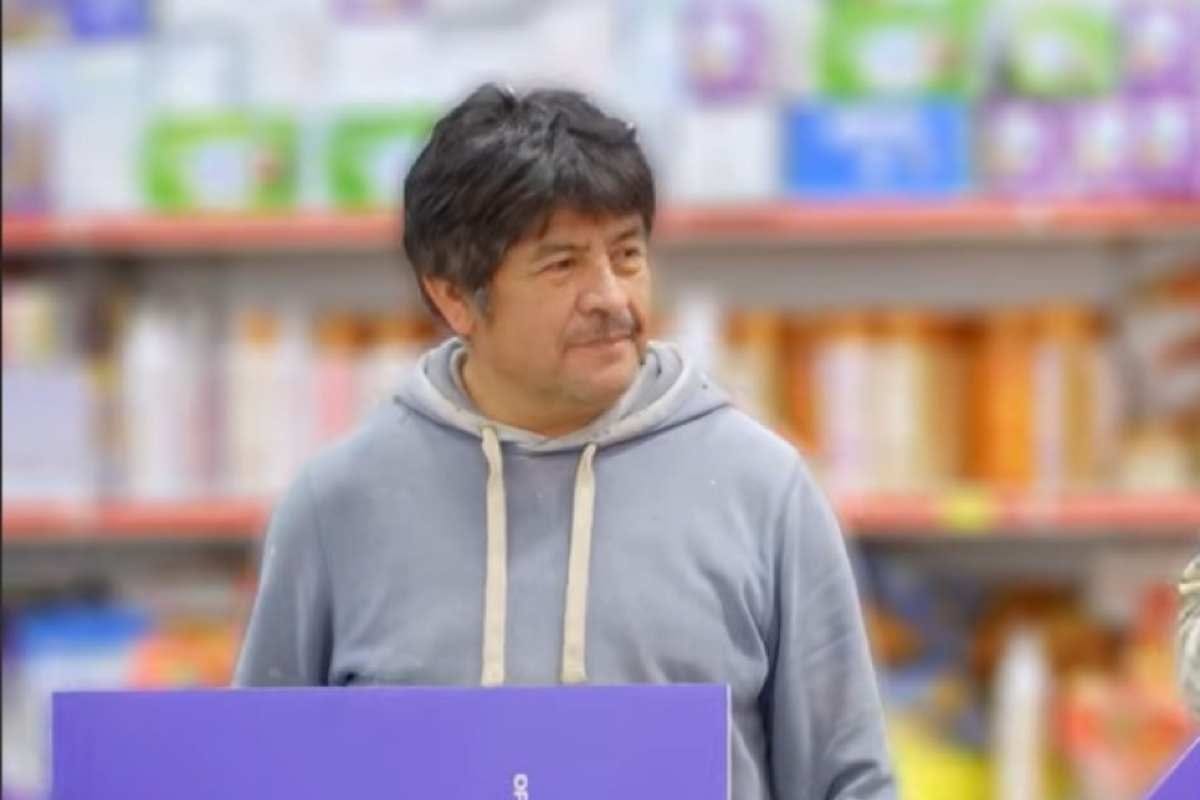
What happened around Juan points to something specific. When people recognize someone who feels familiar, they stay with it. They support it, share it, and bring others into it. That pattern sits at the center of this moment.
Juan, a Mexican father from Hidalgo, moved through the challenge in a steady way. He avoided conflict, stayed focused, and made decisions based on his role as a parent. The moment people kept pointing to was when he sent his son home so he would not miss school (Soy Carmín, 2026). For many viewers, that was enough to understand who he was.
The response followed quickly. The video reached about 61 million views in three days (Instagram Analytics, 2026). While the challenge continued, people began showing up outside the store in North Carolina. Online, the phrase “Juan ya ganó” started circulating. A regional Mexican band, Clave Especial, traveled to perform outside and gave his son a $5,000 scholarship (Enlace Noreste, 2026). The support moved across platforms and into real life.

Part of that response comes from recognition. For many Latino viewers, Juan does not feel distant. He feels familiar. A dad, an uncle, a neighbor. Someone who makes decisions based on family and long-term thinking. When that shows up, people tend to stay with it.
This pattern shows up consistently in how Latino audiences engage with content. In the U.S., Latino GDP reached about $4.4 trillion in 2024 (UCLA Latino Policy & Politics Institute, 2025). Across platforms, Latino users tend to engage more, share more, and support creators they feel connected to (Nielsen, 2025). That activity often builds quickly and carries across platforms.
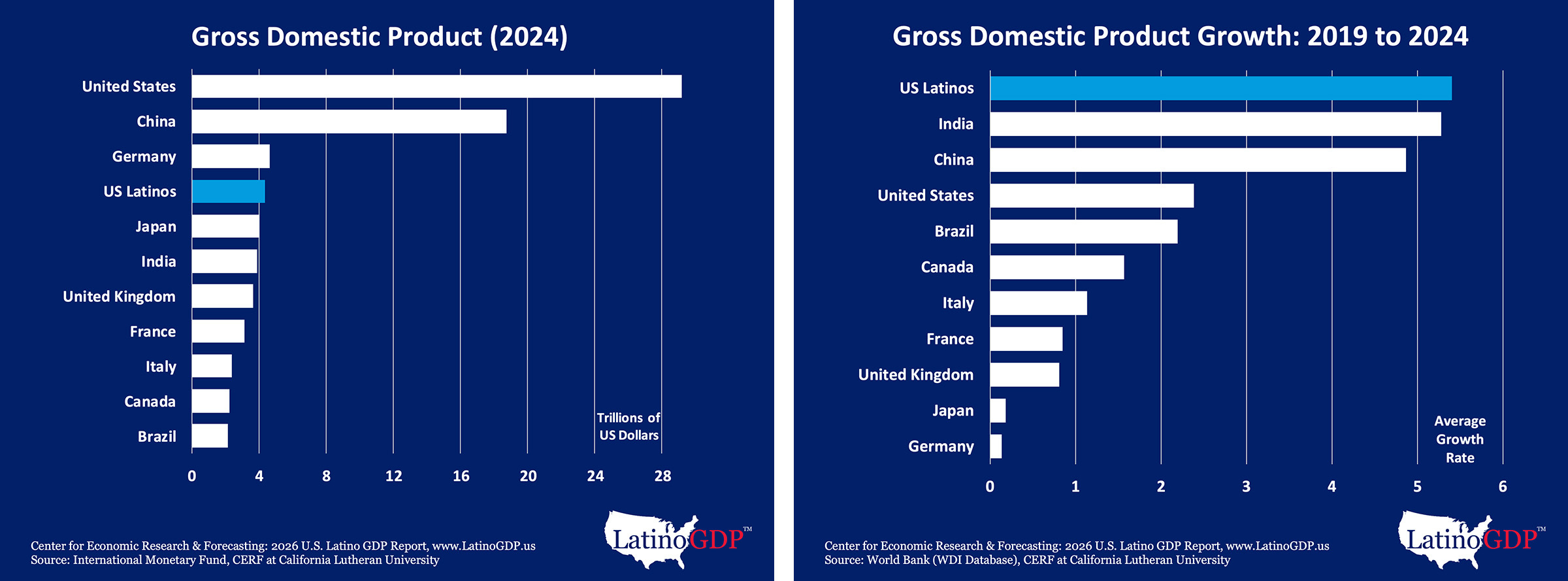
That is where the Juan effect becomes useful to look at. It is not just about one person. It shows how recognition turns into momentum. Around 53% of Hispanic consumers say they expect content to reflect values they care about, and trust tends to be higher when creators come from their own community (Nielsen, 2025). When those two things line up, attention tends to hold.
Platforms respond to that activity. When engagement increases, reach tends to follow. Nielsen (2025) refers to Latino audiences as “algorithm influencers,” meaning their activity often helps determine what gets pushed wider. In this case, attention moved toward one person and stayed there because people kept it there.
At the same time, spending patterns do not fully match that level of activity. Latino audiences make up about 20% of the U.S. population, but less than 1% of digital ad spend was directed toward Spanish-language advertising in early 2025 (Nielsen, 2025). Most of that spend went to YouTube, where Latino audiences already spend a large share of their time.
Juan did not stand out because of how the show presented him. He stood out because of how people responded to him.
For a lot of Latino viewers, he felt familiar. He looked like someone they already know. A dad, an uncle, a neighbor. The way he handled the challenge, especially sending his son home for school, made that even clearer.
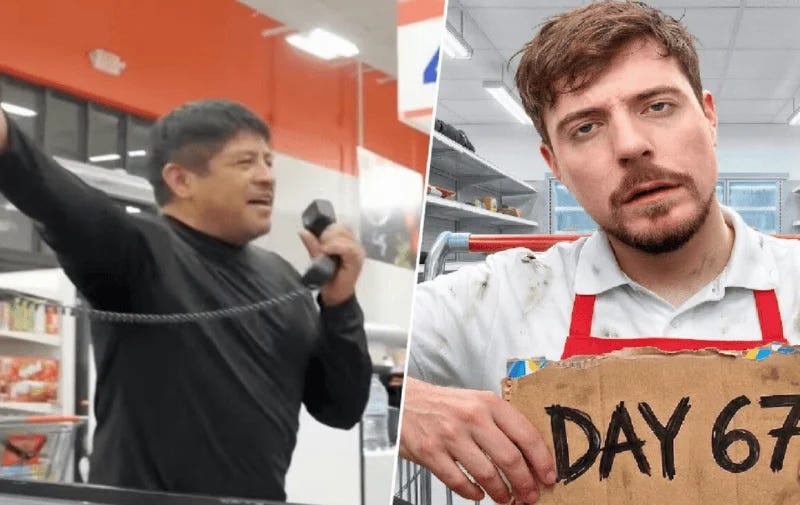
Once that clicked, the support followed. People kept watching him, sharing his clips, and talking about him like he had already won. It moved from the video to social media to people showing up outside the store.
That is the part worth paying attention to. When someone feels recognizable, support builds quickly and tends to hold. That is what carried Juan through the challenge, and it is the same pattern that shows up across how Latino audiences engage online.
Sources
Donaldson, J. (2026). Last to leave grocery store, wins $250,000 . YouTube.
Enlace Noreste. (2026). Clave Especial surprises MrBeast contestant Juan [Social media post].
Instagram Analytics. (2026). MrBeast video performance metrics report.
Nielsen. (2025). How Hispanic consumers are influencing the media landscape.
Soy Carmín. (2026). The unexpected hero who broke MrBeast’s $1 million challenge.
UCLA Latino Policy & Politics Institute. (2025). U.S. Latino GDP report.
Internal dataset provided